Can You Hook Up Your Own Solar Panels in Farmington?
Mounting the panels is only part of the work. The hookup is where the inspector, the utility and your main electrical panel all come in.
Can you hook up your own solar panels?
You can, but few homeowners should. Connecting solar to a grid-tied home means high-voltage DC wiring, changes to your main electrical panel, a permit with inspection, and utility approval before the system can switch on. Many people do some of the physical work and leave the electrical hookup to a qualified installer. Questions? (801) 528-7208
What does hooking up solar panels actually involve?
The panels themselves are the simple part. Each one produces DC power, and the hookup is everything that carries that power safely into your home and, when you make more than you use, out to the grid.
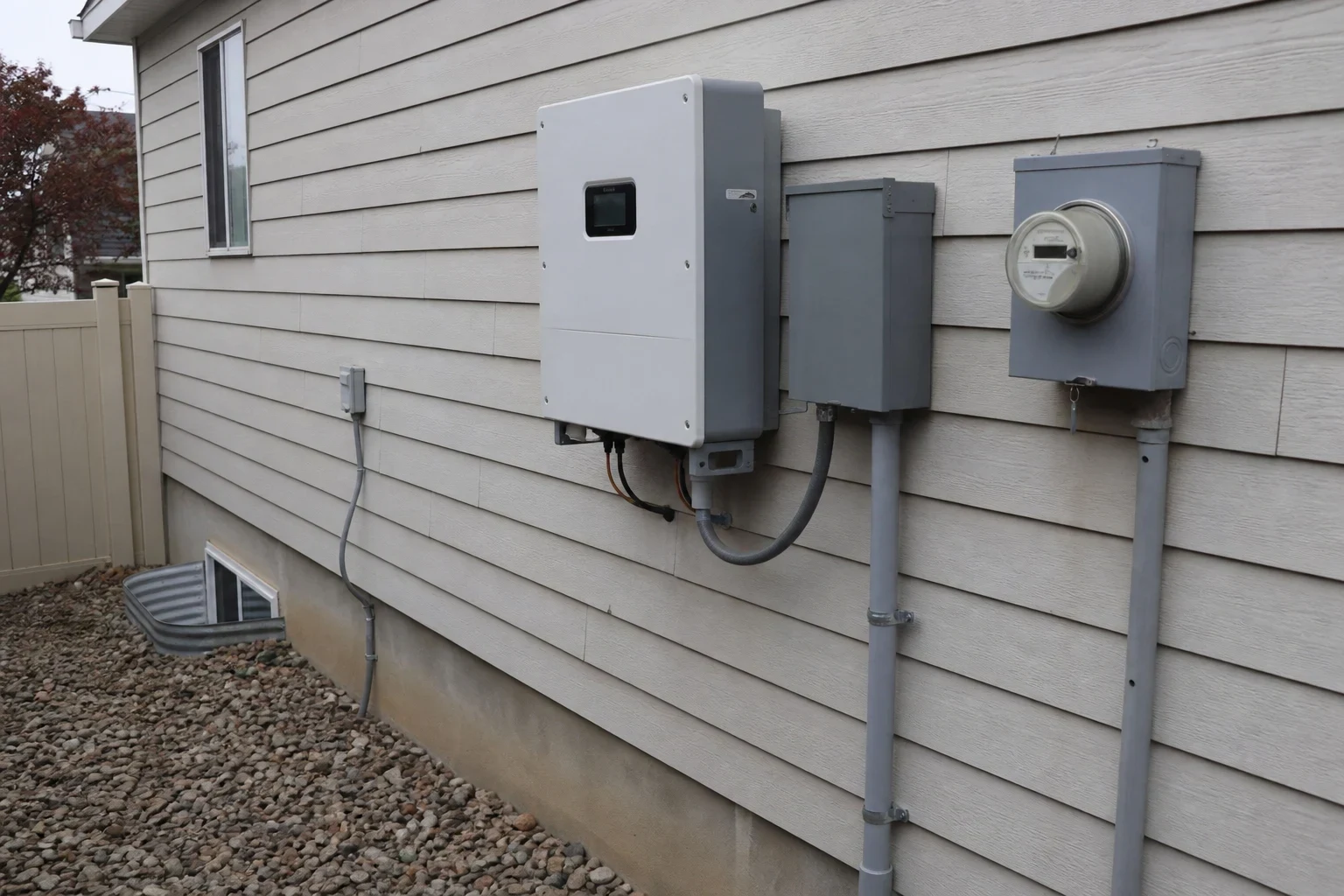
A typical grid-tied system has several connection points, and each has its own code requirements. Miss one and the inspection stops there.
- Wiring the panels into strings or to microinverters, sized for the voltage they will produce
- Running conduit and wire from the array to the inverter and on to your main panel
- Adding a solar breaker or a supply-side connection, plus a visible disconnect where the utility expects it
- Grounding, bonding and rapid shutdown equipment so firefighters can de-energize the array
- Labels at the meter, the panel and the disconnect, which inspectors check closely
Is it legal to install your own solar in Utah?
Doing the work yourself is not automatically illegal, but it is not as simple as buying a kit. Your city building department will expect a permit application with an electrical plan, then at least one inspection before the system is approved. Ask them directly whether a homeowner permit applies to your property and what drawings they need.
The utility is a separate step. A grid-tied system needs an approved interconnection application before you turn it on, and the utility may need to swap or reprogram your meter. Switching on early can cost you that approval, and it can put line workers at risk during an outage if your equipment is not set up correctly.
Where do DIY solar hookups usually go wrong?
Most problems show up at inspection or, worse, months later. Solar panels produce voltage any time light hits them, so you cannot simply flip a breaker and work on live strings in daylight. DC arcs are harder to break than household AC, which is why connectors, torque and wire sizing matter so much.
Cold weather is a detail people miss. Panel voltage rises as temperatures drop, so a string that looks fine on a summer spec sheet can exceed the inverter's limit on a clear January morning in Farmington. Strings need to be sized for the coldest days, not the average ones.
Your main panel is the other common sticking point. The busbar has a limit on how much solar it can accept through a breaker, and older panels often need a different connection method or an upgrade before the inspector will sign off.
- Strings sized without accounting for winter voltage
- Backfeed breakers that exceed what the main panel allows
- Mismatched or poorly crimped connectors that overheat over time
- Missing rapid shutdown or labeling, which fails inspection outright
- Conduit runs that are loose, exposed to sun damage or left unsealed where they enter the house
What does a professional installation look like at your home?
It starts with a phone call and a free virtual appointment. We look at your electric use, your main panel and where equipment can sit, then walk you through a design and a clear quote before anything is ordered.
On install days we protect the areas we work in, keep conduit runs straight and tight to the wall, and pick up packaging, wire offcuts and fasteners before we leave each evening. Your driveway, side yard and garage should look the way you left them. We handle the permit, meet the inspector and take care of the utility's interconnection paperwork on your behalf, so the system goes live once every approval is in place.
What about adding a battery yourself?
Batteries raise the stakes. A battery system adds stored energy that is always on, placement rules about clearances and room type, and a separate set of settings for how it charges, discharges and isolates your home during a grid outage.
If you are already thinking about backup power, it is usually simpler to plan battery storage with the solar design than to retrofit it later. The wiring, the panel connection and the permit can all be handled together.
More questions about doing your own solar
Can I mount the panels and hire someone just for the electrical hookup?
Some homeowners try this, but many installers will not sign off on wiring they did not plan, since the layout drives string sizing and inspection results. If you go this route, settle the design and the electrical plan before any equipment goes up.
Should I tell my homeowners insurance about a DIY system?
Yes. Ask your insurer how they treat owner-installed electrical work and whether the permit and final inspection need to be on file. It is better to know before a claim than after.
Do plug-in solar kits avoid the permit and utility steps?
Not reliably. Anything that sends power into your home's wiring can still fall under electrical code and your utility's interconnection rules, so check with both before plugging one in.
Do you serve homes outside Farmington?
Yes. We work with homeowners in nearby towns including Kaysville, Centerville, Layton and Bountiful.
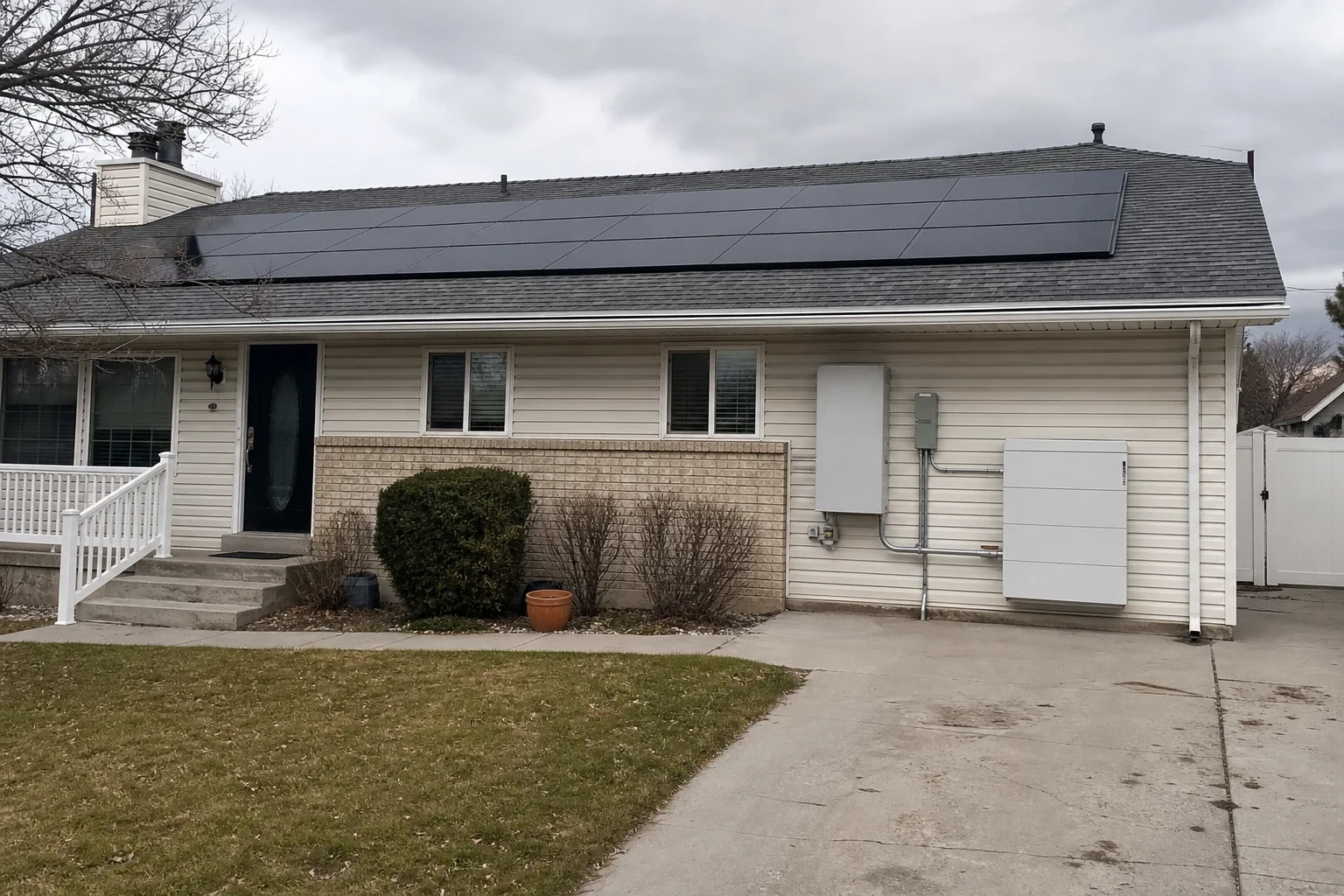
Talk through your solar plans before you buy a kit
A free virtual appointment gets you a look at your panel, your power use and what a permitted, inspected system would involve at your home, with a clean, careful install if you choose to go ahead.